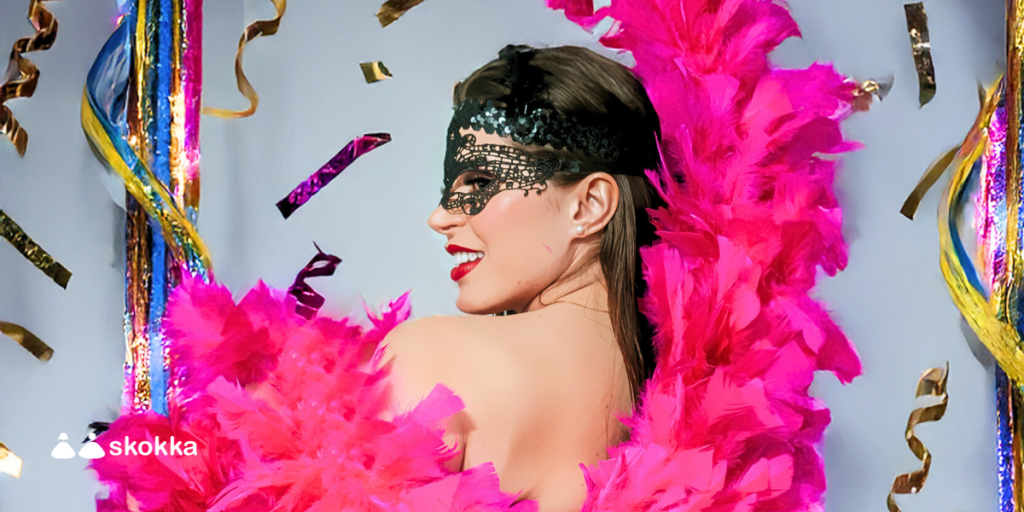
It’s that time of year again, the one everyone either loves or secretly hates, when streets and squares turn into a tornado of color and music: yes, the famous Carnival. If you’re one of those who can’t get enough of it (or roll your eyes at it), let me give you a few reasons why this celebration pops up all over the world. Every place adds its own style and intensity, but one thing’s clear: everyone shares the same passion.
If you’ve never really looked into the roots of Carnival, all those costumes, masks, and floats might seem like just aesthetic stuff. But once you dive deeper, you realize they’re vehicles for cultural expression, humor, and sometimes even social critique.
What’s Carnival Really About?
Carnival comes packed with deep roots in rituals and folklore. Traditionally linked to periods of reflection or preparation, it has evolved into parades, music, and food, where we, the people who live it, become the true heart of the celebration.
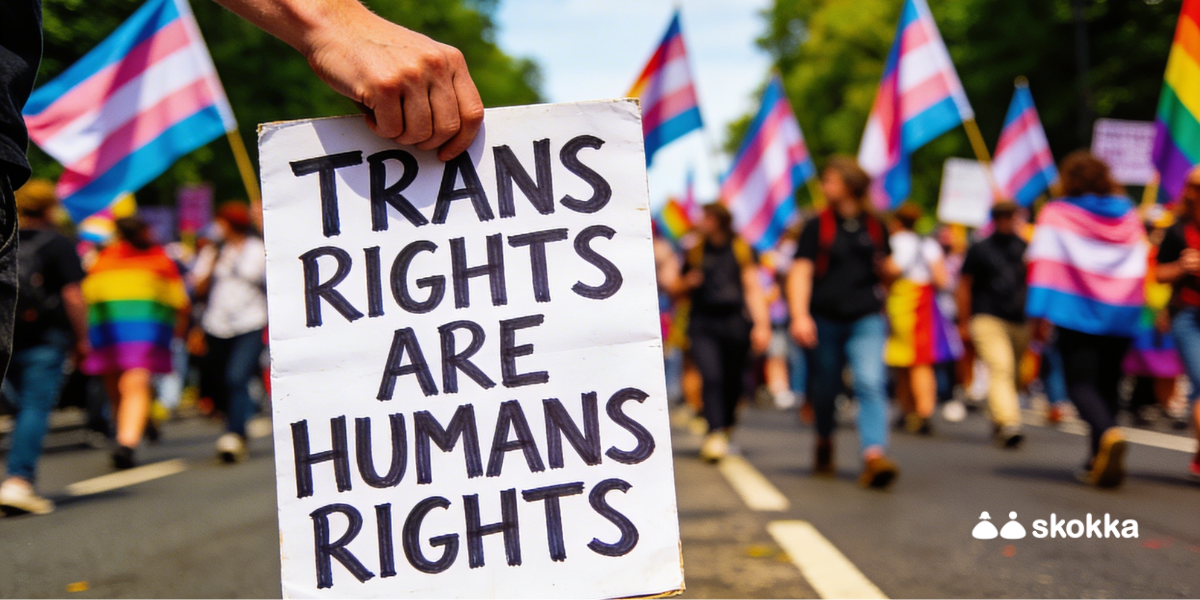
But Carnival isn’t just about tradition. In modern contexts, it’s also a celebration of identity and diversity. Here, the focus isn’t necessarily religious, it’s about visibility, inclusion, and being yourself. People explode in bright colors, sequins, drag, and performances, turning streets into stages where communities mix, shows come alive, and pride shines. Music, dance, and festive rituals become tools to strengthen social bonds and spotlight causes, proving that contemporary culture can reinvent old traditions.
Carnival also invites us to flip roles, play with satire, and explore identity, the perfect excuse to bend social rules for a few days without judgment.
Countries Between Tradition and Modernity
In some parts of the world, Carnival still has a strong connection to religion and cultural roots. Take Greece, for example: the Patras Carnival blends Orthodox rituals with urban parades, elaborate costumes, and music and dance competitions, a perfect balance of spiritual and festive energy. Similarly, in Germany, cities like Cologne and Düsseldorf celebrate Fasching with a mix of tradition, political humor, social satire, and community involvement, where locals take the lead in floats and parades.
On the flip side, places like Australia and New Zealand show us how Carnival can evolve into festivals of identity and diversity. The Sydney Gay & Lesbian Mardi Gras celebrates the LGBTQIA+ community with spectacular parades, drag shows, and inclusive parties, showing that Carnival can be a powerful tool for visibility and social pride.
This 2026, the festival is facing a small twist: some of its traditional events had to be reshaped due to organizational and financial reasons, a reminder that even the most iconic celebrations need to adapt. But what surprises and alternatives will we see this year? One thing’s for sure: there will be new ways to celebrate, with events and meetups keeping alive the energy and inclusive spirit that define Mardi Gras. Skokka will definitely be keeping an eye on it, because you know we love to spill all the colorful tea.
Countries Between Cultural Identity and Subtlety
How Carnival looks says a lot about a place’s cultural identity. In Switzerland, the Basel Fasnacht is ceremonial and artistic, with carefully crafted lanterns, satirical masks, and night parades that blend art and tradition. In the Netherlands, southern and eastern Carnivals go big on exaggerated costumes, bright colors, and playful celebrations, where community participation is key and creativity shines in every detail.
Meanwhile, in more intimate or symbolic contexts, like Ireland or the UK, Carnival is quieter, with traditions like Shrove Tuesday bringing communities together for typical foods, social gatherings, and small local events. No giant parades? No problem. The spirit of celebration and community is still alive, and honestly, any excuse to gather is a good one, right?
Countries Between Community and Social Interaction
Carnival isn’t just for watching, it’s for living it, which is why community participation is such a big deal. In Cyprus, the Limassol Carnival does this brilliantly: streets and squares fill with parades, workshops, live music, and floats, inviting everyone to jump in and be part of the fun. Every corner turns into a stage where the community mixes, dances, and laughs together.
In India, regional festivals like the Goa Carnival or Shigmo serve a similar purpose, bringing people together around music, dance, color, and floats. These celebrations blend tradition, folklore, and spectacle, allowing both locals and visitors to participate collectively, creating a unique social and cultural gathering.
Wrapping It Up
With all this in mind, it’s clear that whether it’s through massive parades or smaller, intimate gatherings, the spirit of Carnival is all about sharing, celebrating, and connecting.
And if you ask us for a conclusion? People in every country become the real kings and queens of the party. They’re the ones who radiate that energy, filling homes and streets, and even drawing millions of tourists to feel what locals carry in their veins.
So next time you think about Carnival, remember: it’s not just what you see, it’s what you feel. That passion flowing through every gesture, every dance, every smile. And no matter where in the world you are, the locals are the true rulers of the festival, inviting you to be part of something much bigger than a parade: a celebration that lives life at full blast.
And hey, if you’re curious about all the madness, you know Skokka has the best front-row seat.