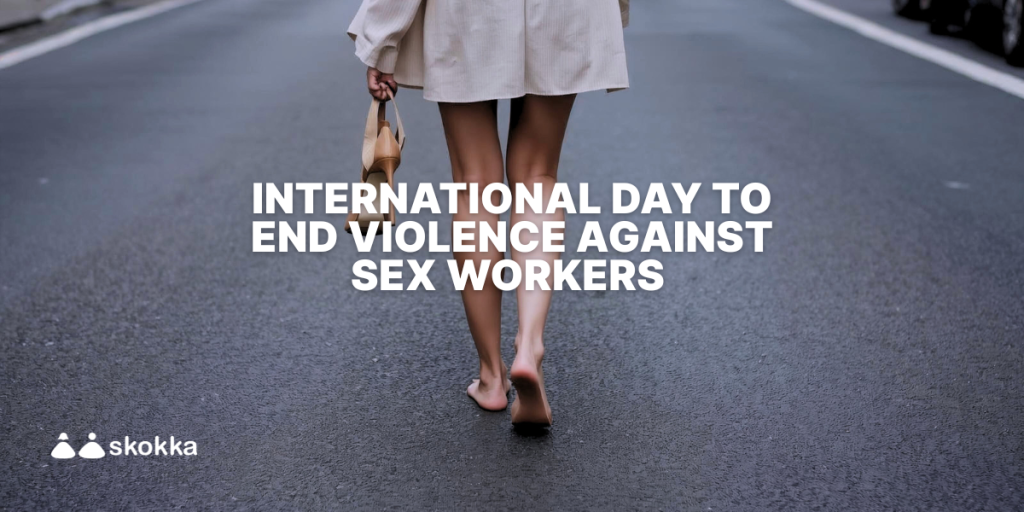
Every 17 December, organisations, platforms, activists, and communities around the world mark the International Day to End Violence Against Sex Workers. This key date highlights the violence, discrimination, and risks faced by sex workers globally.
The day is not only an occasion to remember victims of violence but also a moment to reflect on the importance of building safer, fairer, and more respectful environments for everyone in the adult industry.
The Origin of 17 December and Its Global Significance
The International Day to End Violence Against Sex Workers has been observed since 2003, initiated by organisations led by sex workers. Its purpose was to honour those who lost their lives to violence and to raise awareness of a reality that had long been overlooked.
Over time, this day has evolved into an international occasion for remembrance, awareness, and action, addressing issues such as physical violence, abuse, criminalisation, social stigma, and the lack of access to legal protection.
In this context, various platforms have emerged as online spaces dedicated to visibility and safety, contributing actively to the creation of more secure, responsible, and respectful environments for those in the sector.
Want an example? Skokka, a platform active in over 29 countries, recognises the importance of highlighting these realities. It also plays an active role in fostering safer, more responsible, and respectful environments for everyone in the industry.
A Problem That Persists

Violence against sex workers remains a global issue, exacerbated by stigma and, in many countries, the criminalisation of sex work. These conditions often prevent victims from reporting assaults, accessing support services, or receiving institutional protection.
Numerous studies and international organisations agree that sex workers face a disproportionate risk of violence, emphasising the need for public policies, social education, and real commitments from the private sector.
Raising awareness of this reality is a crucial first step in promoting human rights and fostering safer digital and physical spaces.
Education, Respect, and Visibility
Awareness is a key tool in reducing violence. Discussing this day, sharing verified information, and promoting respect help to break down prejudice and foster more informed and humane dialogue.
17 December reminds us that safety and dignity should not depend on a person’s occupation, and that respect for human rights is a universal principle.
Commemorating this date recognises progress while acknowledging the challenges that remain. At Skokka, our commitment to the cause remains strong. We support social initiatives, promote safety, and participate actively in discussions aimed at positive change.
Protecting Our Advertisers with Yoti
At Skokka, ensuring the authenticity and safety of users and advertisers is a key priority. To strengthen this commitment, we are progressively implementing identity verification through Yoti, a global technology specialised in authentic identity checks and fraud prevention.
This verification system is not yet available in all countries, but it is being introduced step by step, as part of an ongoing effort to improve security standards across the platform.
Where implemented, Yoti helps ensure that verified users are genuine, significantly reducing the presence of fake profiles, bots, or identity fraud.
As a result, advertisers in these markets can have greater confidence that the interactions and contacts generated through the platform come from real people.
Moving towards a fairer, safer, and more respectful environment is a shared responsibility.